
Just Ask: How Does Medication Affect Your Ability to Cope with Heat?
Hayley Toth | Sunshine Coast Resource Centre
Heat waves are becoming more frequent across British Columbia, and seniors are among the most affected. During the 2021 Heat Dome, 619 people in B.C. died due to extreme heat, and 79% were adults aged 65 and older. Many seniors live alone, manage chronic conditions, or take multiple medications—all factors that increase the risk of heat‑related illness. As temperatures rise on the Coast, understanding how heat affects older adults is essential.
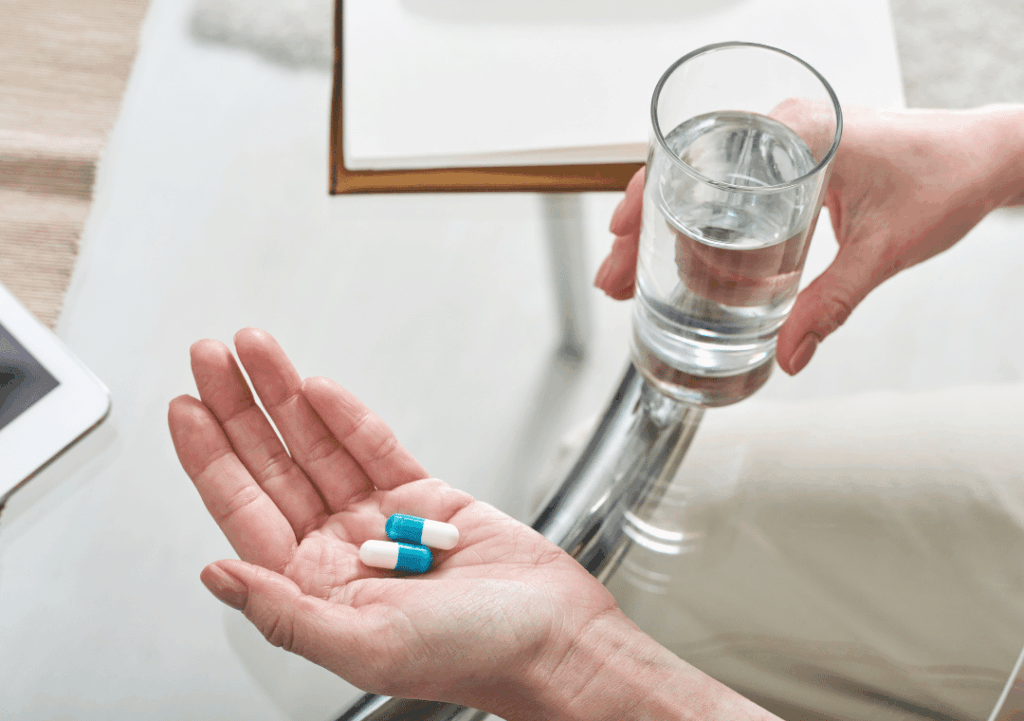
One important but often overlooked factor is how medications interact with hot weather. As the Canadian Medication Appropriateness and Deprescribing Network explains, “Some common prescription and over‑the‑counter medications can make you more sensitive to the heat! The more meds you take, the higher the risk.” Many seniors take several medications daily, and some of the most common ones can interfere with the body’s ability to stay cool or hydrated. These include, allergy medications, heart medications such as diuretics and beta blockers, sleeping pills, antipsychotics, antidepressants, and stimulants used for attention disorders. Many people are not aware that some of your meds may increase your sensitivity to heat.
These medications can reduce sweating, increase dehydration, or affect how the heart responds to stress. Combined with age‑related changes—like reduced thirst signals and slower temperature regulation—heat can become dangerous quickly. Early signs of heat illness include dizziness, nausea, headache, confusion, or a rapid heartbeat. These symptoms should never be ignored.
There are simple ways seniors can reduce their risk. Drinking water regularly, even before feeling thirsty, is one of the most important steps. Staying indoors during the hottest part of the day, keeping blinds closed, using fans or air conditioning, and wearing lightweight clothing can all help. It’s also wise to check in with your doctor or pharmacist to understand how your medications may affect your heat tolerance, especially during a heat wave.
If you’re unsure whether a symptom is heat‑related or medication‑related, you can call 8‑1‑1, the provincial non‑emergency health line. Nurses are available 24/7 to provide guidance, help you understand what you’re experiencing, and advise whether you need urgent care.
Heat safety is a community effort. Checking in on neighbours, sharing reliable information, and encouraging conversations about medication safety can help prevent emergencies. For more information on how medications interact with heat, visit DeprescribingNetwork.ca/blog/medications-and-heat.