
Just Ask: What Should You Do When a Storm Knocks Out Your Power?
Hayley Toth | Coast Neighbourhood House Resource Centre
As the days get shorter and fall storms roll in, it’s a good time to prepare for a power outage. Strong winds, heavy rain and falling trees can leave Sunshine Coast households without electricity for hours or even days. A little preparation now can make a big difference when the lights go out.
Start by preparing an emergency kit. Aim to have enough supplies for at least 72 hours, including drinking water (four litres per person per day for drinking and sanitation), non-perishable food, a manual can opener, flashlights, extra batteries, a first-aid kit, warm blankets and a battery-powered or hand-crank radio. Keep a power bank charged, have some cash on hand in case debit machines aren’t working, and store essential medications where they’re easy to access. Remember to include supplies for pets, too. You can find a full checklist at PreparedBC.
If the power goes out, know where to get updates and how to stay safe. Check BC Hydro’s outage map (www.bchydro.com/safety-outages/power-outages.html) for restoration updates. If your outage isn’t listed, report it by calling 1-800-224-9376 or *HYDRO (*49376) from your mobile phone. Unplug sensitive electronics to protect them from power surges when electricity returns, such as computers and small appliances. Also, use flashlights or instead of candles wherever possible.
Staying warm and keeping food safe are especially important during winter outages. Never use a barbecue, camping stove or outdoor generator inside your home or garage, as these can cause deadly carbon monoxide poisoning. Generators must operate outdoors, well away from doors, windows and vents. Keep refrigerator and freezer doors closed: an unopened fridge generally keeps food cold for about four hours, while a full freezer can keep food frozen for up to 48 hours. When in doubt about food safety, throw it out. If your home becomes too cold, arrange to stay with family or friends rather than relying on unsafe heating methods.
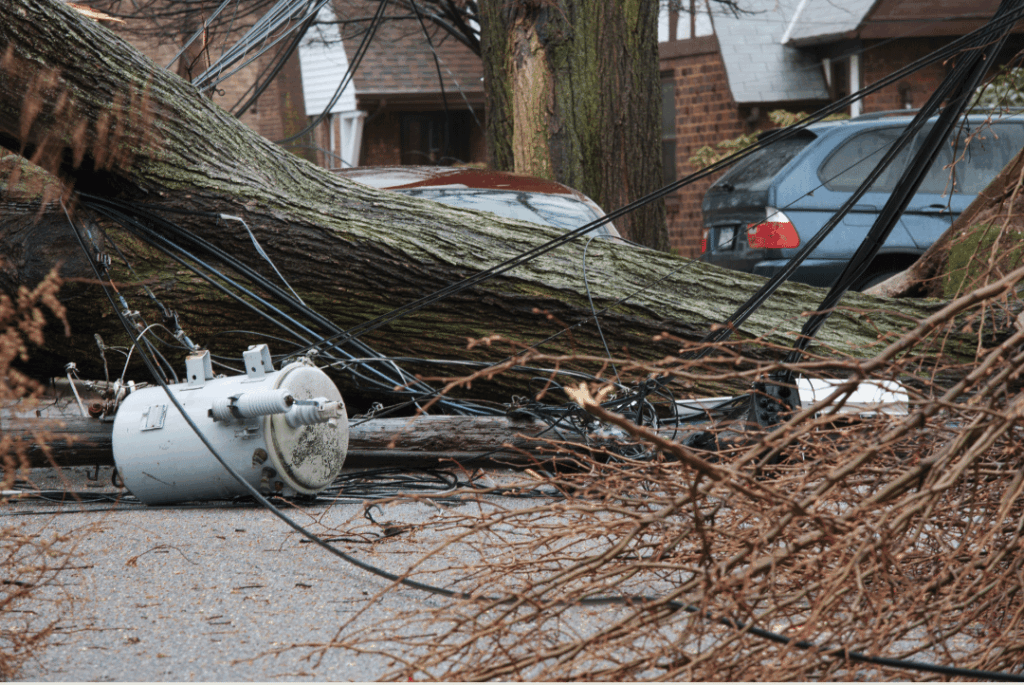
Remember to plan for household members who may need extra help. If you rely on powered medical equipment or refrigerated medication, speak with your healthcare provider or pharmacist about backup arrangements before an outage occurs. If possible, check on neighbours who may have difficulty staying warm, accessing supplies or getting around. Keep important phone numbers written down in case your phone battery dies or internet service is interrupted. If you see a fallen power line, stay at least 10 metres away and call 911.
You can’t control the weather, but you can take steps to be ready for it. Preparing a kit, knowing where to find reliable updates and checking on one another can help keep our community safer through the storm season.
Just Ask is a biweekly column from Coast Neighbourhood House Resource Centre, previously the Sunshine Coast Resource Centre, answering everyday questions and connecting readers with information, resources and support in our community. Have a question you’d like us to explore? Contact us at communications@resourcecentre.ca.
Just Ask – we’re here to help!